TEF’s Aviation Journey 1
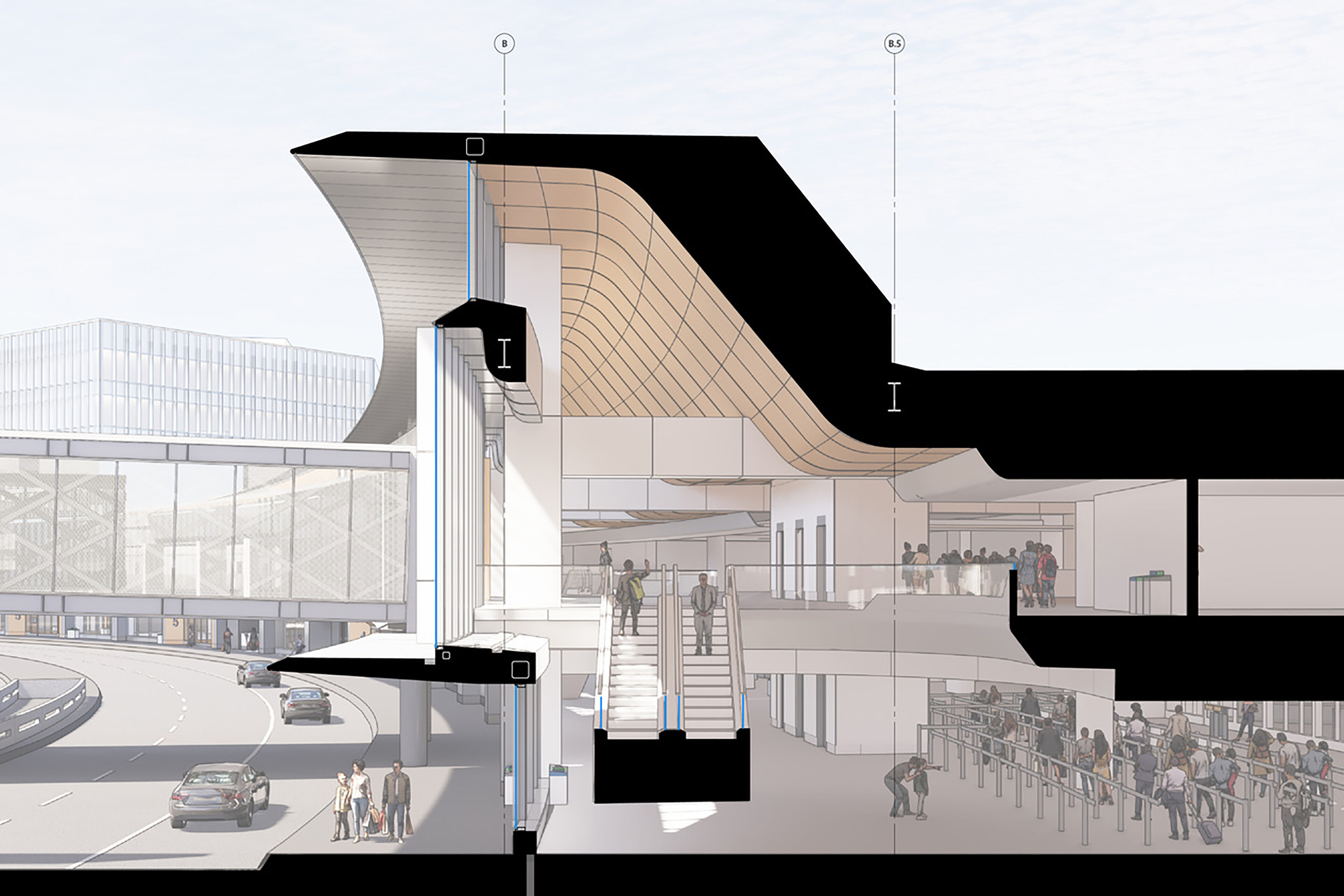
This series offers a behind-the-scenes glimpse into the more-than-$2-billion San Francisco International Airport (SFO) Terminal 3 West Modernization project, a joint venture between TEF and Gensler, led by Turner Construction. Featuring the perspectives of TEF team members, we highlight personal experiences and insights into the complexity of aviation design, the deep collaboration that drives the project’s success, and the steadfast commitment to enhancing the experience that defines SFO’s distinctive brand.
As a kid, I spent a lot of time looking skyward at airshows, while my dad—an Air Force navigator—rattled off facts about every plane overhead. Those moments began to plant in me a deep love of travel and exploration. Still, it wasn’t until a visit to Rio de Janeiro when I was 12 that travel truly changed me. Spending time in a place so culturally and architecturally different from my small Northern California hometown made me realize that travel wasn’t just about going places—it was about growing and expanding my perspective on the world.
So when the opportunity came along in 2018 to collaborate as a Joint Venture partner with Gensler for the San Francisco International Airport (SFO) Terminal 3 West Modernization, I was all in. Built in 1979, Terminal 3 was the only terminal at SFO that had not undergone a complete renovation. The opportunity to build upon SFO’s groundbreaking capital improvement program and contribute to the transformation of the airport’s largest carrier hub was compelling. So was the chance to work on a progressive design-build (PDB) project with a client known for pioneering its success in the industry. While I had worked on many design-build projects since 2001, I knew that PDB represented an evolution in project delivery, advancing the benefits and minimizing the challenges of traditional DB delivery.

Being part of the SFO team has given me a front-row seat to these advantages. From my perspective, it really boils down to the following.
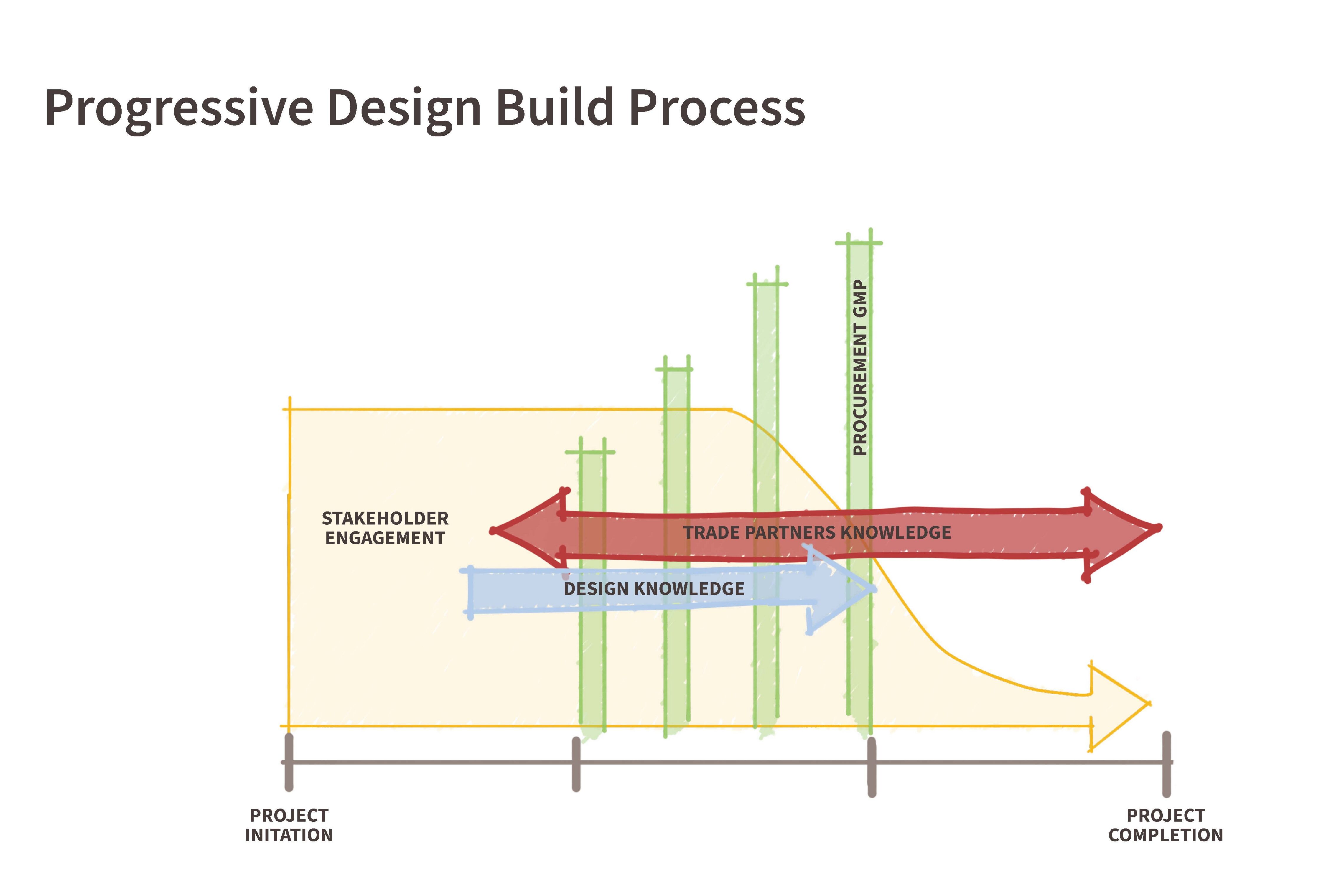
In contrast to conventional design-build and other delivery models, stakeholders remain engaged much longer in PDB at SFO. They gain visibility into the creative process, can react in real time, and offer better-informed feedback as the design evolves. The continued engagement of stakeholders well into the design phase allows the complex and highly technical logistics of an airport to be fully integrated, leading to greater operational efficiency. For example, regular meetings with Aviation Security to review the complex flow of airport personnel enables our team to make nimble design reconfigurations to preserve the program, when faced with changes in TSA requirements. More on stakeholder engagement in coming posts.
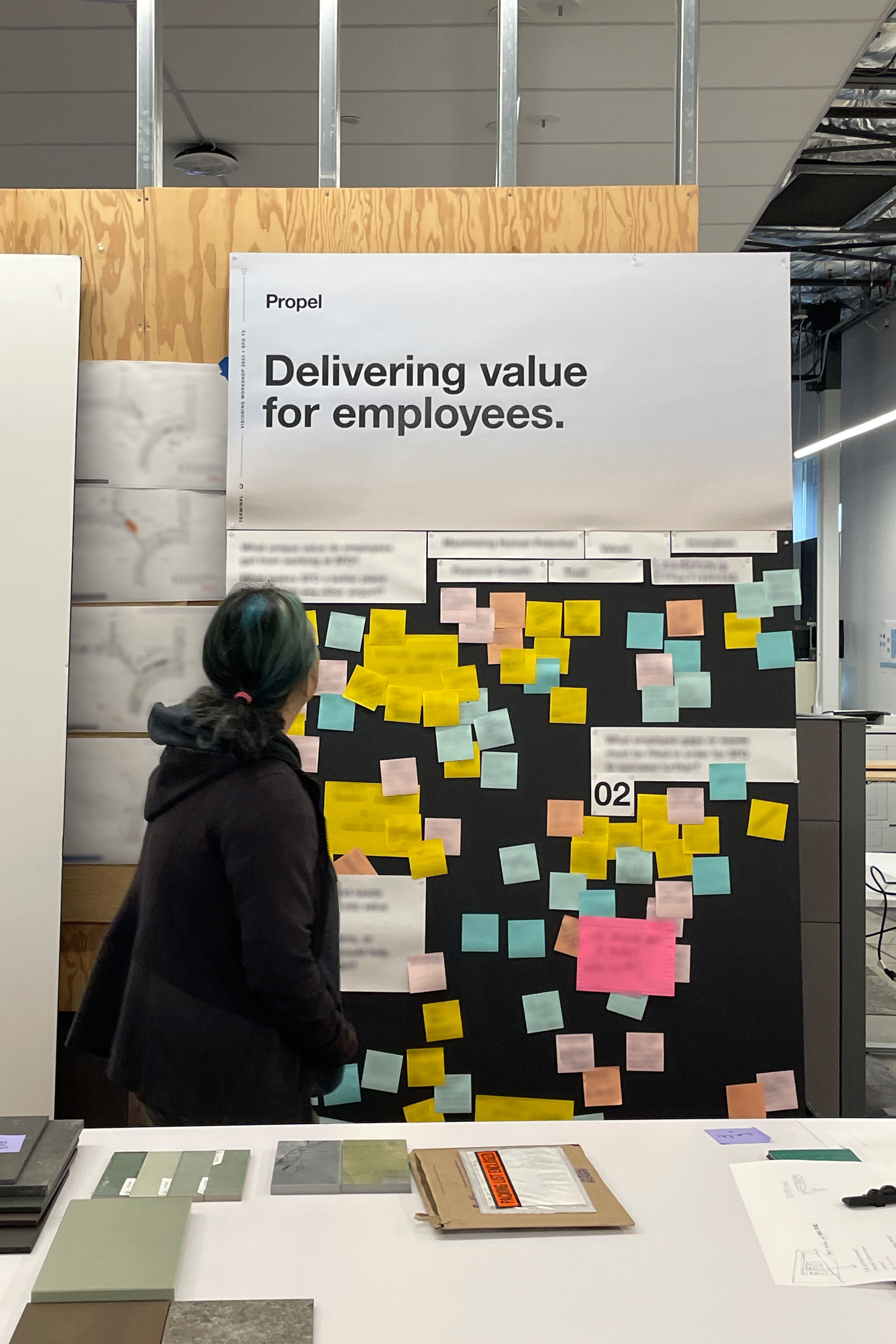
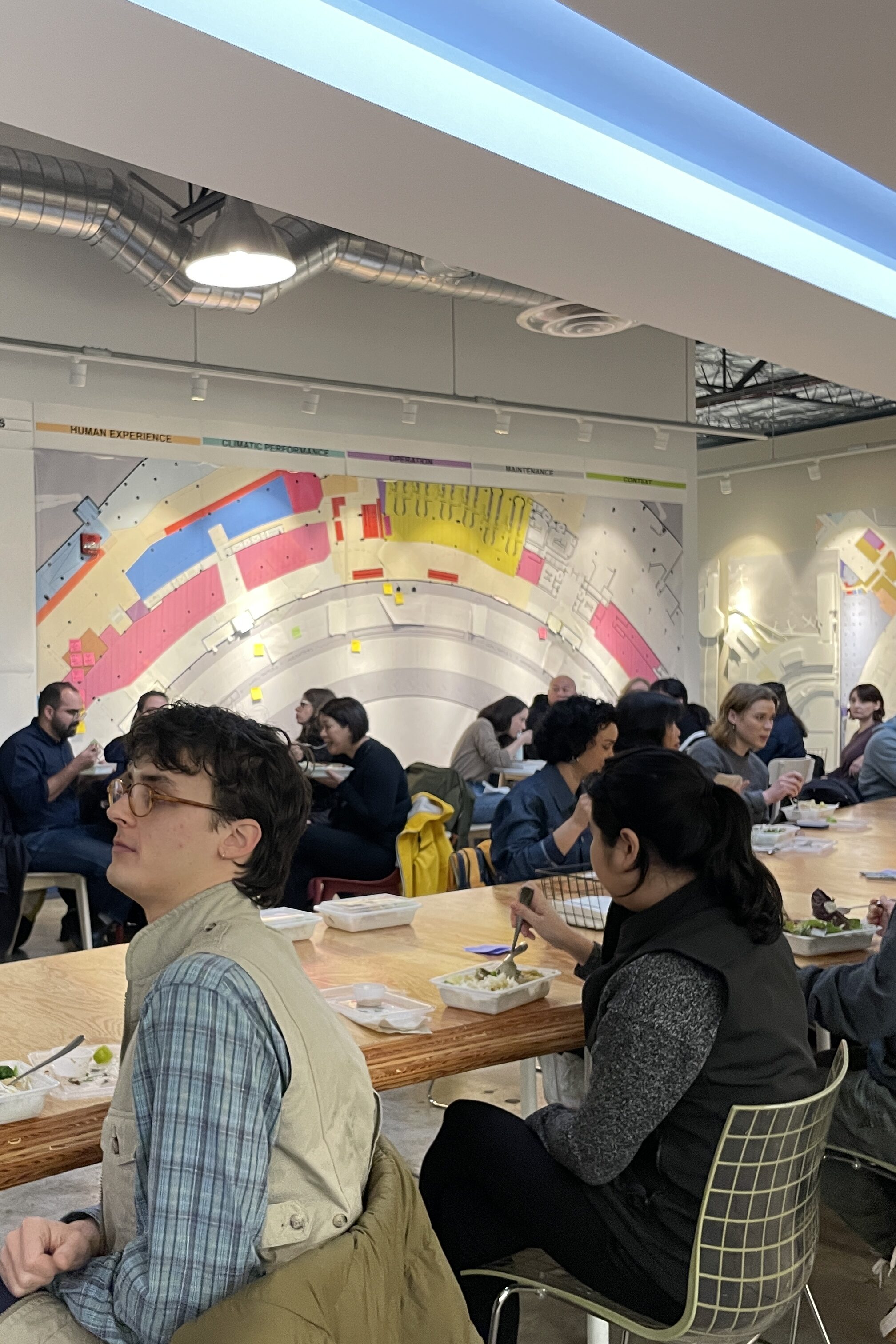
Even in traditional design-build approaches, trade partners (or subcontractors) are typically brought in after the design concept is established. At SFO, PDB engages Trade Partners holistically. They become true design collaborators, providing meaningful input from the get go, to guide the project toward rational, constructible, and cost-effective solutions that support the design vision. Early and sustained teamwork with trade partners also addresses a longstanding issue in our industry—where the design team completes a design and hands it off to a construction team, often resulting in a loss of original intent and costly redesigns. PDB eliminates that inefficiency through continuous, shared decision-making.
Procurement is another facet of project delivery vulnerable to risk in conventional settings. Documents are completed, tossed over the wall, and priced through a bifurcated, often adversarial process. At SFO, PDB rethinks procurement by aligning purchasing decisions with the design progression, enabling the owner to incrementally shape and align scope and budget over time, rather than all at once. Different scope packages can be released as information becomes clear—for instance, engaging the drywall subcontractor while metal framing is still being detailed. This integrated strategy supports informed decision-making, reduces rework, and conserves resources.
Despite the real benefits of PDB at SFO, it entails a significant departure from conventional roles, responsibilities, and communication expectations from all stakeholders that can be a challenge. It’s a learning process for team members to embrace different workflows, including trade contractors less familiar with PDB. Partnering — which involves meeting in person with a facilitator and discussing hurdles in real time, sharing information, and establishing buy-in on common goals and next steps towards resolution — has been critical to capacity building on this front. As alternative delivery models continue to take hold throughout our industry, I expect this to become less of an issue.
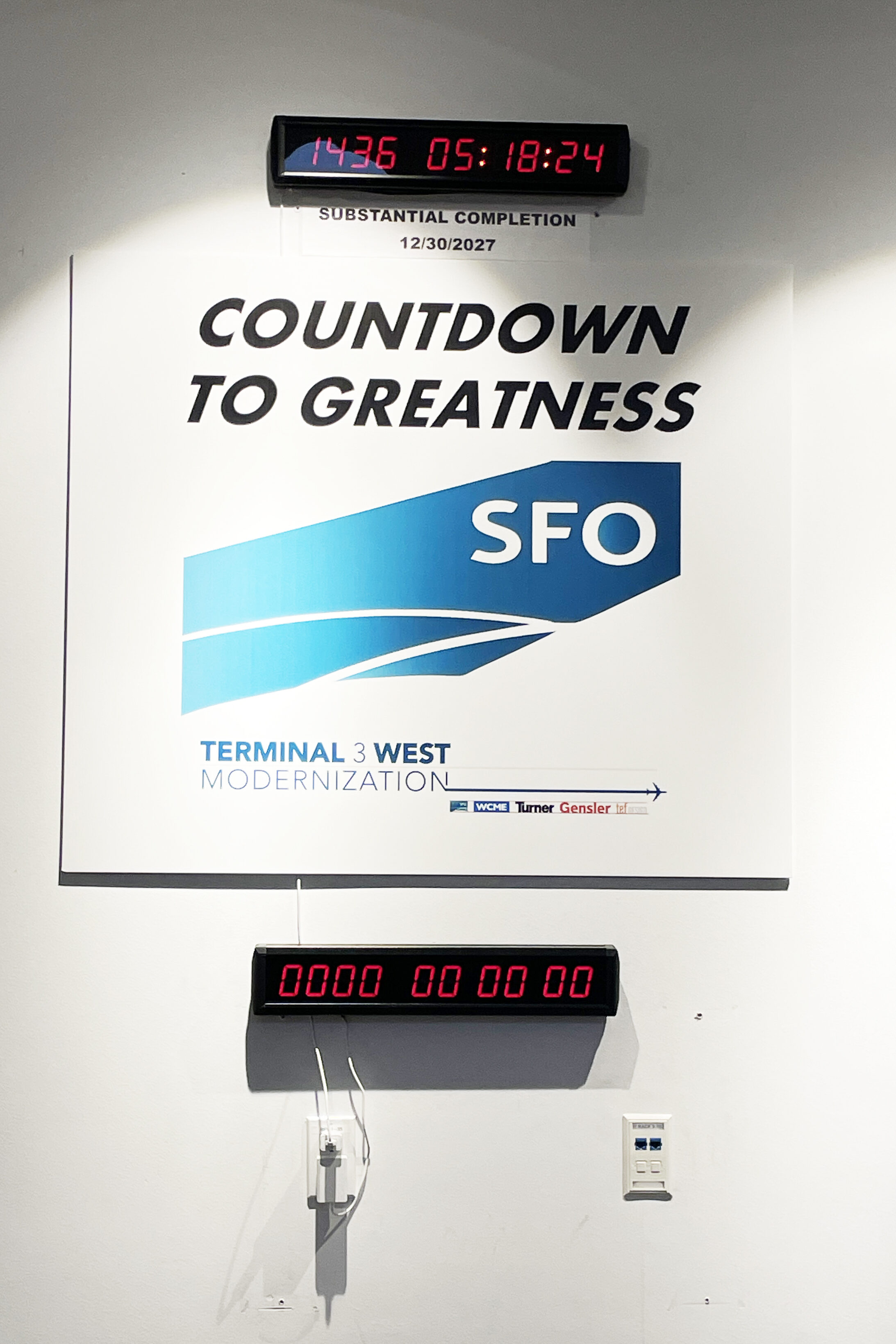
This experience has transformed how I think about team dynamics, collaboration, and project delivery — and it has completely shifted my perspective on what’s possible. At SFO, the goal that I see of the PDB model is to diminish the distinctions between disciplines, roles, and responsibilities, build a foundational knowledge of trust and shared risk, and create a safe environment that incentivises team members to speak up when an issue is foreseen or to improve outcomes. Intensive collaboration: it’s the key to unlocking exceptional project outcomes. That kid squinting at the sun at airshows could never have imagined leading the TEF team on a more-than-$2 billion airport terminal modernization, let alone navigating the complexities of such an undertaking.